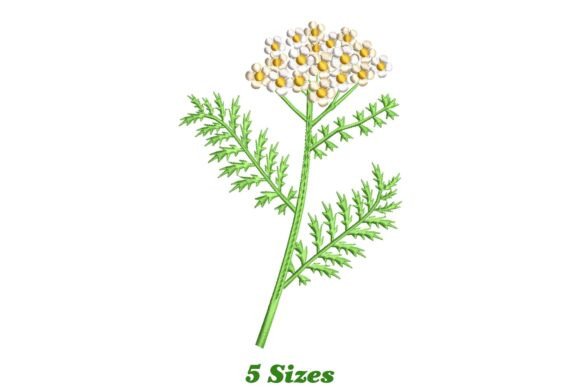
Yarrow Flower: A Cheerful, Artistic Single Flower Design
First Impression: Bright, Botanical, and Booth-Ready
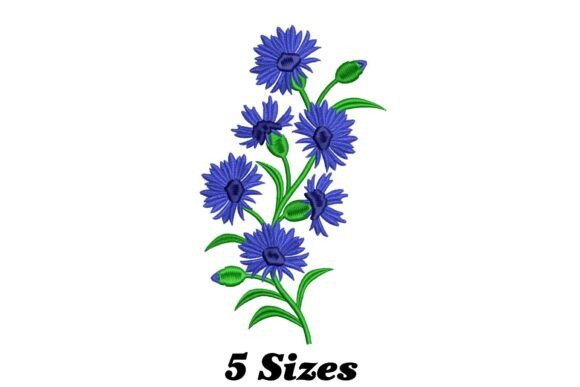
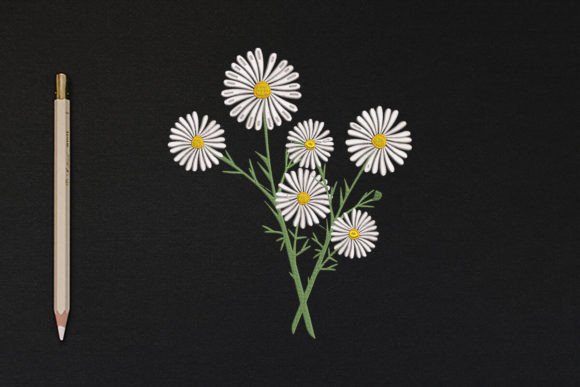
As an embroidery designer who’s prepped over 200 craft fair booths in the past decade, my first thought on seeing Yarrow Flower was: “This is a smile-on-a-stitch.” It reads cheerful and artistic—not fussy, not fragile—just grounded, modern botanical charm. It lands somewhere between farmhouse freshness and contemporary minimalism: clean enough for a boutique apron, lively enough for a market tote bag. That balance is gold at craft fairs, where customers scan your table in under three seconds. Yarrow Flower doesn’t shout—but it *holds gaze*. And that’s how you get the “Wait, what’s that?” pause that turns browsers into buyers.
Where It Shines: Real Craft Fair Product Pairings
In my booth setup—tote bags front-and-center, aprons draped over a ladder shelf, tea towels folded beside embroidered pouches—Yarrow Flower consistently draws attention on three items: linen tea towels, cotton canvas tote bags, and denim patches. On a cream tea towel, its open, airy silhouette reads clearly from six feet away—even under tent lighting. On a natural canvas tote, it adds handmade warmth without overwhelming the fabric’s texture. As an embroidered patch? It scales beautifully down to 2.5”, retaining character and legibility. I’ve also tested it on structured cotton pillow covers (front-center placement) and lightweight unstructured market bags—both work, but avoid placing it near seams or curved edges unless you’ve tested hoop clearance.
What Works Less (and Why)
- Caps and curved surfaces: The design’s gentle petal flow can distort on high-crown caps unless digitized with proper underlay and stabilizer—test before committing to a batch.
- Dark fabrics: Without knowing the included thread colors, assume contrast matters. On navy or charcoal, light-toned threads (ecru, pale yellow, mint) will read best—but verify against your actual fabric swatches.
- Textured towels (terry cloth, heavy waffle weave): High stitch density in tight petal clusters may sink or blur. Use cutaway + tear-away combo stabilizer and reduce top tension slightly.
Production Practicality: Speed, Clarity, and Consistency
This isn’t a “set-and-forget” embroidery file—but it’s not finicky either. As a machine embroidery design, Yarrow Flower feels intentionally balanced: no micro-details smaller than 1.5mm, no overlapping satin stitches that snag, and no lettering (a huge plus—no font licensing headaches). That makes it ideal for batch production across tote bags, aprons, and pouches. At 3.8” wide, it functions equally well as a small accent (lower corner of a tea towel) or a bold focal (center chest on a relaxed-fit tee).
Photographing Yarrow Flower for Etsy listings is straightforward—it pops on neutral backdrops and translates well in printable mockups. Its organic shape avoids the “clip-art flatness” that plagues so many digital embroidery files. Buyers perceive it as intentional, not algorithm-generated. That perception lifts perceived value: customers pay more for pieces that feel like curated design assets—not generic clipart.
Booth & Brand Impact: More Than Just a Flower
At a crowded handmade market, cohesion sells. When Yarrow Flower appears across your product line—say, on a linen apron, a set of matching tea towels, and a leather-strap pouch—it quietly signals brand consistency. Not rigid uniformity, but thoughtful repetition: same motif, different applications. That builds trust. Shoppers recognize your aesthetic before they even read your shop name.
I’ve watched customers linger longest at displays where Yarrow Flower anchors the visual rhythm—especially when paired with complementary neutrals (oatmeal, sage, warm white) and one pop color (like terracotta thread on natural canvas). It doesn’t compete with your voice; it amplifies it. And because it’s categorized under Single Flowers, it slots seamlessly into seasonal bundles (“Spring Botanicals”) or gift sets (“Farmhouse Kitchen Trio”).
Designer Notes You Can’t Skip
Before cutting your first fabric, do these five things:
- Test on scrap fabric—same weight, same finish as your final product. A tea towel behaves differently than a tote bag.
- Check thread contrast against at least three fabric colors you plan to use. Don’t rely on screen previews.
- Review spacing and stitch density: Look for dense fill areas that might pucker on lightweight cotton or shift on stretchy knits.
- Confirm hoop size compatibility with your machine—and whether the design fits your most-used hoops without re-hooping mid-stitch.
- Use the right stabilizer: Medium-weight cutaway for stable wovens (totes, aprons); tear-away + topping for textured towels. Skip the cheap generic stuff—it shows in the finished product.
Also: create at least one real mockup—not just a digital preview. Hang it on your booth display rack. See how it catches light. Ask a friend to walk by and tell you the first thing they notice. (Spoiler: They’ll say “that pretty flower.”)
Licensing & Long-Term Value
Since this is a digital embroidery file intended for commercial embroidery, confirm licensing terms before selling finished products. Some sellers assume “for personal use only” applies unless stated otherwise—and that’s a risk no Etsy seller or small shop product line can afford. If the listing says “commercial use allowed,” great. If it’s silent, reach out to the designer. Protect your business, your time, and your reputation.
Finally—Yarrow Flower earns repeat value. It’s versatile enough for spring markets, wedding favors (think linen pouches), teacher gifts (embroidered tea towels), and even holiday packaging (as a subtle motif on fabric gift tags). Unlike trend-driven motifs that fade after two seasons, yarrow carries quiet staying power: botanical, timeless, quietly confident. In a sea of overdesigned craft fair tables, that’s not just charming—it’s strategic.