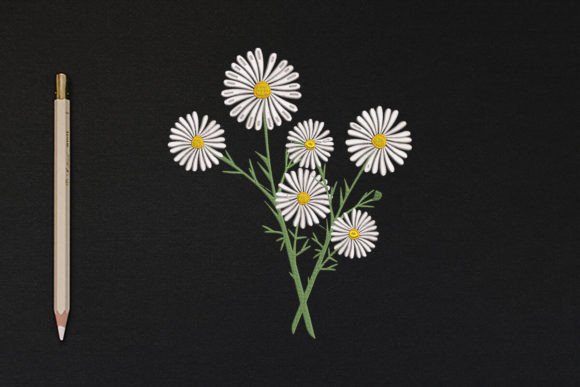
Flower Plant Embroidery Design Review
First Impression: Whimsical Charm Meets Brand-Ready Versatility
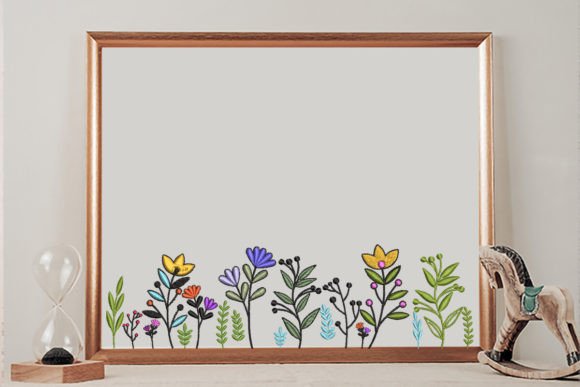
As an embroidery designer who’s developed hundreds of commercial designs for small businesses—from neighborhood bakeries to indie florists—I opened Flower Plant expecting charm. What I found was more: a balanced, scalable machine embroidery design that lands squarely between playful and polished. The name “Flower Plant” suggests organic growth, quiet confidence, and approachable warmth—not fussy botany or stiff formality. Combined with the description’s emphasis on “fun and whimsical accent,” it signals a design built for personality-driven branding, not just decoration. It feels handmade but intentional; light enough for a café apron, grounded enough for a boutique tote bag logo.
Real-World Business Performance: Where Flower Plant Shines
Flower Plant excels where small business merch demands both recognition and resonance. On embroidered patches—especially 2"–3" velcro-backed versions—it reads clearly as a signature mark for staff uniforms, gift bags, or pop-up event swag. Its open, airy structure avoids visual clutter, making it ideal for chest logos on work shirts or sleeve accents on custom apparel. For cap embroidery, it holds up well on structured front panels when digitized with moderate stitch density—no heavy fill areas that cause puckering or thread breakage during high-volume runs.
On tote bags and aprons—two top merch categories for creative studios and local shops—Flower Plant adds tactile distinction without overwhelming the fabric. Its whimsy enhances handmade product presentation, subtly reinforcing authenticity. As a branded product add-on (think: stitched onto linen tea towels, canvas pouches, or ceramic packaging tags), it elevates perceived value while staying true to the Bouquets category’s natural, inviting spirit. Etsy sellers report stronger buyer engagement when using Flower Plant in printable mockups—it translates cleanly across digital previews and physical samples, supporting visual consistency across listings and social assets.
Strategic Placement: Where to Use Flower Plant—and Where to Pause
While versatile, Flower Plant isn’t universally size-agnostic. At sub-1.5" patch sizes, delicate petal outlines may blur or lose definition—test it at your target dimensions before finalizing production. Cap fronts with steep curvature require careful hooping and stabilizer selection; avoid placing tight stem details directly over seams or high-stretch zones. On dark uniforms or textured fabrics like twill or heavy canvas, confirm thread color contrast—light pastels may fade visually unless paired with underlay or matte-finish threads.
Also note: if the original embroidery file includes fine interior lines or dense satin borders, stitch density could impact durability on frequently washed items (e.g., aprons, staff tees). Always inspect spacing between elements—tight clusters risk thread nesting or skipped stitches on commercial embroidery machines. When used on product packaging accents or tiny labels, verify legibility alongside any accompanying text or logo lockups.
Brand Identity Impact: More Than Just a Pretty Stitch
Flower Plant strengthens brand identity by anchoring messaging in warmth and care—qualities customers associate with trusted local businesses. Unlike generic floral motifs, its “plant” framing suggests growth, sustainability, and rootedness, resonating with eco-conscious boutiques, wellness studios, and garden-centered brands. Used consistently across apron embroidery, cap embroidery, and tote bag design, it builds recognition faster than abstract marks alone. Customers remember how a design *feels*: friendly, unhurried, human-made. That perception boosts trust and justifies premium pricing for handmade product lines.
For merch creators managing multiple design assets, Flower Plant serves as a flexible anchor—pairing seamlessly with minimalist typography or complementing hand-drawn icons. It avoids trend fatigue because it leans into timeless botanical simplicity rather than seasonal styling. That longevity protects your investment in commercial embroidery and supports cohesive visual storytelling across seasons and platforms.
Practical Designer Notes Before You Stitch
- Test in black and white first—assess balance, weight, and negative space without color distraction.
- Check small patch viability—resize to your smallest intended use (e.g., 1.25") and verify clarity of key shapes.
- Review thread color contrast—especially on dark or textured fabric; consider matte vs. rayon sheen for intended tone.
- Inspect spacing and underlay—tight curves or overlapping stems need clean digitization to prevent distortion.
- Confirm hoop size compatibility—ensure the design fits standard hoops used in your shop or production partner’s workflow.
- Test on real fabric—run a sample on your most common substrate (e.g., cotton duck for totes, poly-cotton blend for uniforms).
- Use appropriate stabilizer—lightweight cutaway for caps, tear-away for stable woven fabrics, fusible for stretchy knits.
- Create a client-approved mockup—embed Flower Plant into a realistic printable mockup before digitizing or stitching.
- Compare beside existing design assets—does it harmonize with your current logo, palette, and typography system?
- Confirm commercial licensing—verify the digital embroidery file permits use on merchandise sold to end customers, especially for Etsy sellers and wholesale partners.
Bottom line: Flower Plant is a smart, scalable embroidery file for small business merch that balances aesthetic appeal with production practicality. It’s not just another Bouquets design—it’s a brand-building tool, ready to grow with your business.