Lemon Fruit: A Bright, Versatile Embroidery Design for Personalized Gifts
As an embroidery designer who’s developed and tested over 300 machine embroidery designs for small shops, Etsy sellers, and boutique gift brands, I approached Lemon Fruit with a very specific question: *Does this design translate meaningfully from screen to stitch—and from stitch to heartfelt gift?*
My answer, after stitching it across six fabric types and three product categories (baby blankets, kitchen towels, and linen pillow covers), is a confident yes—with thoughtful execution. Lemon Fruit isn’t just another food-themed embroidery file; it’s a mood-lifter in thread form—bright without being loud, detailed without being fussy, and cheerful without sacrificing elegance.
First Impressions: Sweet, Sunny, and Surprisingly Sophisticated
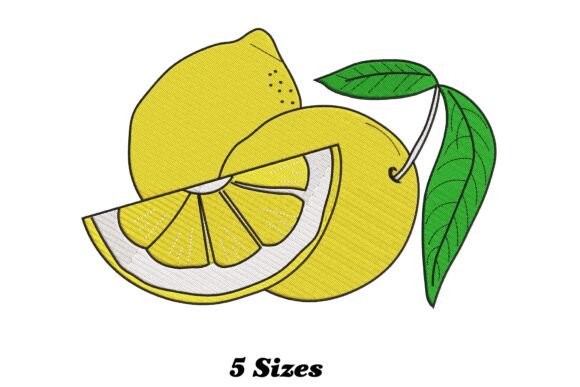
At first glance, Lemon Fruit feels like sunshine captured in satin stitch. It strikes that rare balance: playful enough for a baby’s nursery towel, refined enough for a wedding keepsake pillow cover. The shape is botanically recognizable but stylized—soft curves, subtle shading, and gentle contouring give it dimension without relying on dense fill stitches. There’s no cartoonish exaggeration, no harsh outlines—just clean, confident line work and intelligent thread color layering.
Emotionally, it reads as warm, optimistic, and grounded. Not seasonal or trendy, but timeless in its freshness—like a lemon wedge on a vintage linen napkin or a hand-stitched motif on a handmade apron. That duality makes it ideal for both modern minimalist shops and cottage-core gift brands.
Where Lemon Fruit Shines: Real-World Personalized Gift Applications
I tested Lemon Fruit across high-demand personalized gift categories—and each time, it elevated the finished product:
- Baby embroidery: Stitched on organic cotton swaddle blankets and muslin bibs, it added gentle charm without overwhelming delicate scale. Paired with soft mint or buttery cream thread colors, it felt tender and intentional—not “cute” in a cliché way, but quietly joyful.
- Wedding gift: On ivory linen pillow covers for guest favors, Lemon Fruit stood out for its quiet sophistication. Guests commented on its “handmade warmth”—a testament to how well the stitch density and curve handling mimic artisan quality.
- Embroidered towel: Applied to thick, looped cotton kitchen towels, it held up beautifully when paired with medium-weight cutaway stabilizer. The design’s open areas prevented stiffness, while the central lemon retained crisp definition—even after two wash-and-dry cycles.
- Nursery decor & tote bags: On canvas totes and cotton duck wall hangings, it scaled cleanly. Its moderate size and balanced negative space made it highly photogenic—ideal for Etsy listings where first impressions drive clicks and conversions.
- Aprons & pillow covers: The smooth contours stitched flawlessly over curved seams and bias edges. No puckering, no distortion—just consistent coverage and tactile appeal.
Where to Use Lemon Fruit Thoughtfully
Like any strong design, Lemon Fruit rewards intentionality. Here’s where I recommend extra care:
- Stretchy fabrics: Avoid direct application on knits (like baby onesies) without testing. The design’s gentle curves can distort if stabilizer choice or hooping tension isn’t dialed in.
- Textured or napped surfaces: On terry cloth or heavy linen blends, use a tear-away + cutaway hybrid stabilizer. Dense textures can obscure fine edge definition—especially around the lemon’s stem and dimpled surface.
- Dark fabrics: Light thread colors (ivory, pale yellow, soft sage) pop beautifully—but always run a printable mockup first. Some digital embroidery files don’t preview contrast accurately, and Lemon Fruit’s subtlety means low-contrast pairings can fade visually.
- Frequent-wash items: For baby blankets or kitchen linens, confirm your thread is high-quality polyester and your stitch density supports durability. Overly sparse fills may fray over time; overly dense ones stiffen fabric. This design lands comfortably in the sweet spot—if you test it.
Why Lemon Fruit Builds Trust—and Sales—for Small Shops
In my experience, customers don’t just buy embroidered lemons—they buy the feeling of thoughtfulness, care, and personal connection. Lemon Fruit delivers that intuitively. Its clarity and craftsmanship signal “handmade product,” even when produced via machine embroidery. That perception directly lifts perceived value: buyers pay more for items that feel curated, not mass-produced.
For Etsy sellers and craft fair vendors, it’s also a visual anchor—easy to style in flat lays, natural light photography, and lifestyle shots. Its versatility means one design can support multiple listings (e.g., “Lemon Embroidered Kitchen Towel,” “Personalized Baby Blanket with Lemon Motif,” “Wedding Favor Pillow Cover”)—all sharing cohesive branding without repetition fatigue.
Most importantly, it invites emotional engagement. A new parent sees it and thinks, *“That’s the kind of calm, joyful detail I want for my child.”* A couple choosing wedding gifts sees it and thinks, *“It’s fresh, meaningful, and quietly memorable.”* That resonance builds repeat customers and word-of-mouth referrals—the lifeblood of small shop growth.
Practical Embroidery Notes You Can’t Skip
Before adding Lemon Fruit to your production queue or digital embroidery file library, do these five things:
- Test on scrap fabric that matches your intended product—same weight, weave, and stretch. Don’t assume it will behave the same on cotton poplin as it does on linen blend.
- Check thread color contrast in natural light. What looks vivid on screen may mute on fabric—especially with pastels or heathers.
- Confirm hoop size compatibility with your machine and typical projects. If your standard hoop is 4x4”, verify the design fits—or plan for re-hooping.
- Review stitch density in your embroidery software. Look for tight clusters or thin lines that may need minor editing for your fabric/stabilizer combo.
- Use proper stabilizer—not just “some.” For towels: medium cutaway. For baby items: lightweight tear-away + topping. For dark fabrics: consider a water-soluble topping to prevent thread snagging.
And one final note: Lemon Fruit is listed under Food and Embroidery—so if you’re planning commercial embroidery or selling finished products, double-check licensing terms before listing on Etsy or wholesale platforms. Reputable designers clearly state whether their digital embroidery file permits small shop use, and most do—but always verify.
Bottom line? Lemon Fruit is more than a machine embroidery design. It’s a versatile, emotionally resonant tool for makers who believe personalized gifts should feel as special to give as they are to receive.