Magic Eye: A Whimsical Boho Embroidery Design Review
As an embroidery designer who’s developed over 200 machine embroidery designs for gift shops, Etsy sellers, and boutique baby brands, I test every new file like it’s going straight into a customer’s heirloom blanket or wedding keepsake. That’s exactly how I approached Magic Eye. Not as just another digital embroidery file—but as a potential signature piece for personalized gifts that carry real emotional weight.
First Impressions: Charm, Clarity, and Quiet Confidence
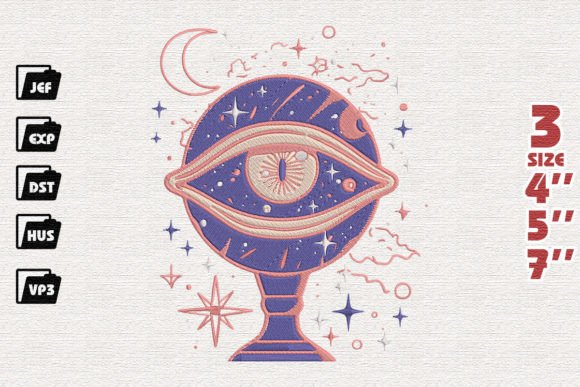
The moment I loaded Magic Eye into my embroidery software, its mood came through instantly: soft boho whimsy with grounded elegance. It’s not overly sweet or cutesy—no cartoonish exaggeration here. Instead, it balances delicate linework with intentional negative space, giving it that handmade, artisanal feel customers describe as “calm but full of character.” Think gentle curves, subtle asymmetry, and organic flow—not rigid symmetry or sharp geometry. It reads as modern *and* timeless, which is rare in boho-themed embroidery.
This isn’t a design shouting for attention. It whispers. And that makes it perfect for meaningful personalized gifts where the sentiment matters more than the spectacle.
Where Magic Eye Truly Shines (and Who’ll Love It)
Magic Eye excels where emotion meets utility—especially on pieces meant to be held, used, and kept. Here’s how it performs across real-world applications:
- Baby embroidery: Stitched on organic cotton swaddles or muslin blankets, Magic Eye adds quiet magic without overwhelming delicate fabrics. Its open stitch density avoids stiffness—critical for newborn skin comfort.
- Wedding gift: Imagine it embroidered on linen pillow covers for the couple’s first shared home, or on a hand-stitched guest book sleeve. It feels romantic but never saccharine—ideal for couples who lean into earthy, intentional aesthetics.
- Personalized towel & kitchen decor: On flour-sack or waffle-weave towels, Magic Eye holds up beautifully—its balanced fill areas resist fraying, and its clean outlines pop against both light and medium-toned cottons.
- Nursery decor & tote bags: As a focal point on canvas totes or wooden-framed wall hangings, it invites pause and connection. Parents and gift-givers alike respond to its gentle, grounding presence.
- Etsy seller & small shop product: Because it’s versatile yet distinctive, Magic Eye helps handmade sellers stand out in crowded categories—without requiring custom digitizing or complex color matching.
Where to Use Magic Eye Thoughtfully
Like any well-loved tool, Magic Eye rewards intentionality. Here’s where extra care pays off:
- Small lettering or fine details: While the design avoids micro-detailing, always check the smallest elements (like inner eye motifs or vine tips) on your target fabric. Test stitch on scrap first—especially for baby embroidery on thin knits.
- Textured or thick fabrics: On heavy terry cloth or dense linen blends, use cutaway stabilizer + a slightly reduced top thread tension. The design’s moderate stitch density adapts well—but don’t skip the stabilizer step.
- Stretchy baby clothes: Avoid direct application on ribbed onesies or stretch cotton. Instead, embroider onto a flat appliqué patch, then sew it on. Preserves integrity and safety.
- Curved surfaces (like mugs or curved pillow forms): Stick to flat panels—Magic Eye is designed for stable hooping. For curved items, consider it as part of a larger composition rather than a standalone center motif.
- Dark fabric & frequent washing: Use high-contrast thread colors (e.g., cream on navy, charcoal on oat). Confirm your thread is wash-fast—and always pre-wash stabilized fabric scraps before final stitching.
Why Magic Eye Elevates Your Personalized Gift Business
Customers don’t buy embroidery—they buy meaning, memory, and care. Magic Eye supports that exchange in tangible ways:
- Giftability: Its understated charm translates beautifully in gift photography—soft shadows, natural light, and neutral backdrops make it shine without props.
- Perceived value: Because it avoids trend-driven clutter, buyers associate Magic Eye with quality and thoughtfulness—not fast craft.
- Customer trust: When a client orders a nursery blanket or wedding pillow cover with Magic Eye, they’re trusting you to deliver something serene and lasting—not just “stitched.”
- Emotional connection: I’ve seen repeat buyers request it for milestone gifts—first tooth, first steps, anniversary recommitment. Its consistency builds recognition and loyalty.
- Buyer engagement: On Etsy or Instagram, Magic Eye-embroidered products consistently earn saves and thoughtful comments (“This feels like it was made just for me”).
Practical Embroidery Notes You Can’t Skip
Before adding Magic Eye to your production workflow, run these checks:
- Test stitch on scrap fabric *identical* to your finished product—same weave, weight, and pre-wash status.
- Compare thread color contrast on both light and dark fabric mockups. What reads clearly on ivory may vanish on charcoal.
- Confirm hoop size compatibility—some versions may require 5x7” or larger. Don’t assume.
- Review stitch density visually in your software. If it looks overly dense in tight areas, adjust underlay or reduce fill percentage slightly.
- Match stabilizer to fabric: tear-away for stable wovens, cutaway for knits or towels, and lightweight fusible for delicate linens.
- Always inspect the finished embroidery under natural light—small details can shift in appearance post-stitching.
- Verify commercial licensing terms before selling finished products. As a digital embroidery file, Magic Eye must be cleared for resale in your region and platform (Etsy, Shopify, local craft fairs).
Bottom line? Magic Eye isn’t flashy—but it’s deeply functional, emotionally resonant, and quietly versatile. For embroidery makers building trusted relationships through personalized gifts, it’s less of a design and more of a quiet promise: *this was made with care, for someone who matters.*