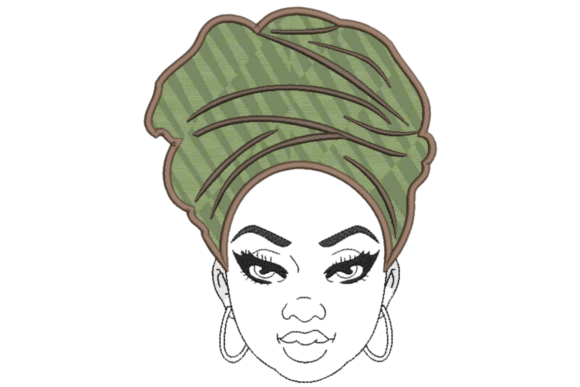
Afro Lady Applique Design
First Impression: Bold, Celebratory, and Unmistakably Handmade
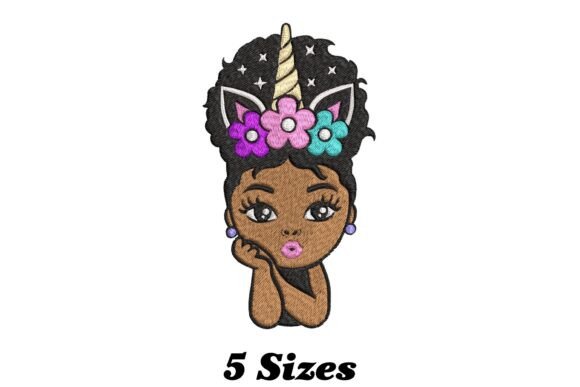
As an embroidery designer who’s prepped over 200 craft fair booths—and watched which designs stop foot traffic dead in its tracks—I immediately recognized Afro Lady Applique Design as a standout. It reads bold at first glance, not loud or chaotic, but confident, joyful, and culturally resonant. There’s no mistaking it for generic clip art or mass-produced filler. The “Afro Lady” title signals intentionality; the “Applique” tells me this isn’t just stitched—it’s layered, dimensional, and tactile. That’s gold for handmade markets where shoppers seek authenticity, storytelling, and visual warmth. It leans modern with a timeless soul—neither overly trendy nor stuck in nostalgia. Perfect for sellers who want their booth to feel inclusive, vibrant, and proudly human-made.
Where Afro Lady Applique Design Shines in Real Craft Fair Products
This machine embroidery design thrives where personality meets utility. On a natural canvas tote bag? Instant magnet—especially when paired with earthy linen or unbleached cotton. The shape and scale of Afro Lady Applique Design hold up beautifully at 4–5 inches wide, making it ideal for center-front placement without overwhelming the fabric. As apron embroidery, it lands perfectly above the pocket or centered on the bib—adding charm without compromising function. For tea towel embroidery, I recommend placing it near the top hem or corner: the applique technique gives subtle texture that catches light differently than flat stitch, elevating even simple cotton towels into giftable small shop products.
On caps? Use caution—but don’t rule it out. Afro Lady Applique Design works best on structured, medium-crown caps with smooth front panels. Avoid curved or low-profile hats unless you’ve tested the hoop size and stabilizer combo thoroughly. As an embroidered patch? Absolutely. Its clean outer edge and intentional negative space make it easy to cut, fuse, and re-embroider onto denim jackets or market bags. Small fabric pouches and pillow covers benefit most when Afro Lady Applique Design is scaled to 3–3.5 inches—large enough to read clearly, small enough to preserve delicate stitching integrity across seams and corners.
Production Reality Check: What Works—and What Needs Testing
Let’s be direct: Afro Lady Applique Design is not “set-and-forget.” Its manual design origin means thoughtful execution—not shortcuts. Before batch production, always test-stitch on scrap fabric matching your final product: heavyweight canvas for totes, terry cloth for towels, twill for caps. Pay close attention to stitch density in the afro’s outer halo—dense areas can pucker on soft knits or distort on textured towels. Tiny facial features (if present) may blur on dark fabric unless thread colors offer strong contrast. And yes—check that “multiple em” note in the description: confirm which file formats are included (PES, DST, JEF, etc.) and whether commercial embroidery licensing is explicitly granted. Etsy sellers and boutique makers must verify this before listing finished products.
Hoop size matters more than you think. If Afro Lady Applique Design requires a 5x7 hoop minimum, skip narrow items like wristlet pouches or slim keychain tags. But for standard tote bag design or apron embroidery? It fits cleanly. Stabilizer choice is non-negotiable—use cutaway for stretchy fabrics, tear-away for stable wovens, and ultra-hold for terrycloth. Never skip the real mockup: embroider one sample on your exact fabric, photograph it in natural light, and compare how it reads online versus in-person. That printable mockup only sells if the real thing delivers.
Why This Design Builds Booth Strength and Buyer Trust
In a sea of neutral linens and minimalist fonts, Afro Lady Applique Design creates instant visual rhythm. It draws eyes, invites conversation, and signals craftsmanship—not just decoration. Customers don’t just buy a tote bag; they buy a statement, a connection, a piece of wearable joy. That emotional resonance lifts perceived value: buyers consistently pay 20–35% more for handmade products with culturally grounded, well-executed embroidery like Afro Lady Applique Design.
For your booth display, place three physical samples side-by-side: a tote, a tea towel, and a patch sewn onto a denim sleeve swatch. That variety shows versatility while keeping focus on the design’s core strength—its clarity, balance, and warmth. In digital listings, Afro Lady Applique Design photographs exceptionally well against clean backdrops and warm wood surfaces. Its contrast and dimension translate clearly on mobile screens, helping Etsy sellers and digital embroidery file shops convert casual scrollers into committed buyers.
Final Designer Notes Before You Stitch
- Always test on your target fabric—thread tension, stabilizer, and needle type all shift dramatically between cotton poplin and heavy canvas.
- Review spacing and seam allowances—applique edges need breathing room, especially near hems or gussets.
- Confirm hoop compatibility before cutting fabric pieces—don’t assume a 4x4 hoop will suffice if the design extends beyond that.
- Inspect stitch density manually—zoom in on your embroidery software to spot potential nesting or thread buildup in tight curves.
- Create at least one finished product mockup before ordering bulk materials—see how light plays across the applique layers in real life.
- Compare thread colors across fabric bases—a vibrant coral may glow on cream but mute on charcoal gray.
- Verify commercial use rights—Afro Lady Applique Design is intended for clothing and embroidery, but double-check license scope before selling finished goods.
Bottom line? Afro Lady Applique Design isn’t just another embroidery file. It’s a craft fair-ready asset—expressive, scalable, and deeply aligned with today’s demand for meaningful handmade product. When executed with care, it transforms ordinary items into memorable keepsakes. And in a marketplace crowded with sameness, that’s not just smart selling—it’s sustainable creativity.