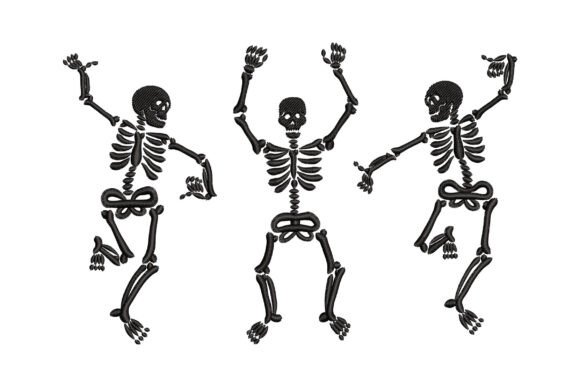
Dancing Skeletons ·
First Impressions: Playful, Not Spooky — A Design That Wears Well
When I opened Dancing Skeletons ·, I didn’t see a cliché Halloween motif — I saw rhythm. The figures tilt, arms lifted, ribs aligned like musical staves, feet mid-step. It’s not grim; it’s grinning. There’s lightness in the line work and intentional spacing between bones that avoids visual clutter. As a designer who regularly tests embroidery files for client apparel and boutique merchandise, I immediately thought: this isn’t just for October. It’s got legs — literally and commercially.
A Real-World Test: Embroidering a Linen Kitchen Towel
Last week, I stitched Dancing Skeletons · onto a heavyweight natural linen tea towel — no applique, no background fill, just clean satin and fill stitch. Why that fabric? Because it’s unforgiving: loose weave, minimal stretch, and zero forgiveness for dense stitching or thread tension slips. The design held up. The curves of the ribcage stayed smooth, the joint lines read clearly, and the negative space between dancers kept the composition breathing. Customers browsing my small shop noticed it instantly — not as “Halloween decor,” but as “that joyful, slightly quirky towel I’d hang in my kitchen year-round.” That’s the quiet strength of Dancing Skeletons ·: it bridges seasonal theme and timeless handmade appeal.
Where It Shines (and Where It Needs Thought)
Dancing Skeletons · works beautifully on stable, medium-weight fabrics where stitch definition matters:
- Custom apparel: Sweatshirts and structured tote bags give it body and contrast — especially with black thread on heather grey or cream.
- Home decor: Pillow covers and aprons benefit from its balanced width-to-height ratio — it reads well at 4–5 inches wide without crowding seams or pockets.
- Personalized gifts: As a baby embroidery piece on a soft cotton onesie (with reduced density and lightweight stabilizer), it reads sweet, not eerie — especially paired with tiny floral accents nearby.
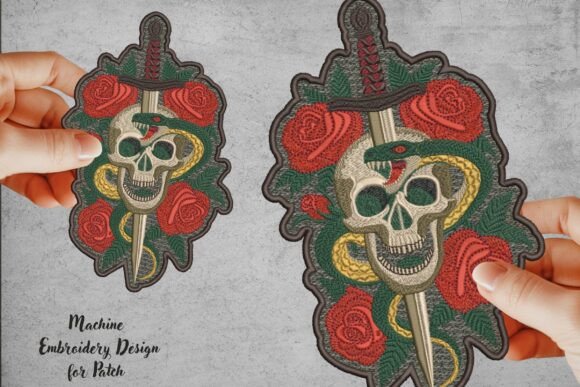
- Embroidered patch: Clean edges and minimal interior detail make it ideal for iron-on or sew-on patches used on denim jackets or backpacks.
But let’s be practical: Dancing Skeletons · isn’t magic. On thin or highly stretchy fabric — think lightweight jersey tees or baby knit caps — those fine bone lines can blur if stabilizer choice or hooping isn’t precise. Curved surfaces like baseball caps require careful digitization review: check whether the shoulder joints and skull contours stay legible when wrapped. And on dark fabric? Test thread colors thoroughly — pale grey or off-white thread often reads richer than stark white, adding subtle dimension to the ribs and limbs.
Design Integrity Meets Commercial Sense
As an Etsy seller and embroidery product reviewer, I pay attention to how a machine embroidery design affects buyer trust. Dancing Skeletons · delivers clarity without overcomplication — no tiny floating elements, no overlapping satin columns that risk snagging, no excessive underlay that adds bulk. That means fewer customer questions about “why does it look fuzzy?” and more repeat buyers who recognize your consistent quality.
It also supports brand consistency. Whether you’re branding a craft fair line of holiday-themed kitchen goods or launching a playful unisex apparel collection, Dancing Skeletons · fits without shouting. It doesn’t dominate — it complements. That makes it versatile for digital embroidery file bundles, printable mockups, or even as a subtle accent beside your shop logo on packaging tags.
What You Should Do Before Stitching
This isn’t theoretical — these are the steps I take every time I evaluate a new embroidery file for real project use:
- Test on scrap fabric first, using the exact stabilizer and thread you’ll use in production — especially important for textured or dark fabrics.
- Review stitch density visually in your editing software. If fill areas feel heavy for your fabric weight, consider reducing density by 5–10% before finalizing.
- Confirm hoop size compatibility. Does it fit comfortably in your most-used hoop without trimming corners or re-hooping mid-stitch?
- Inspect small details: Are the finger tips, eye sockets, and knee bends defined enough to survive washing and wear? Zoom in — don’t assume.
- Test black-and-white mockups to assess contrast and silhouette — crucial for social media thumbnails and Etsy listing visuals.
- Use proper stabilizer for your base: cutaway for knits, tear-away for stable wovens, and fusible for layered or delicate items like nursery decor.
- Check licensing terms before selling finished products or bundling Dancing Skeletons · into digital embroidery collections — commercial use rights aren’t automatic.
Final Thought: A Design That Earns Its Place
Dancing Skeletons · doesn’t try to be everything. It’s not a haunted mansion scene, nor is it minimalist line art. It’s confident in its own motion — expressive, balanced, and quietly clever. For craft business owners building a catalog of reliable, engaging embroidery assets, it’s the kind of design that sells itself through clarity and charm. Use it thoughtfully, test it honestly, and let its rhythm carry your handmade product forward — not just through Halloween, but all year long.